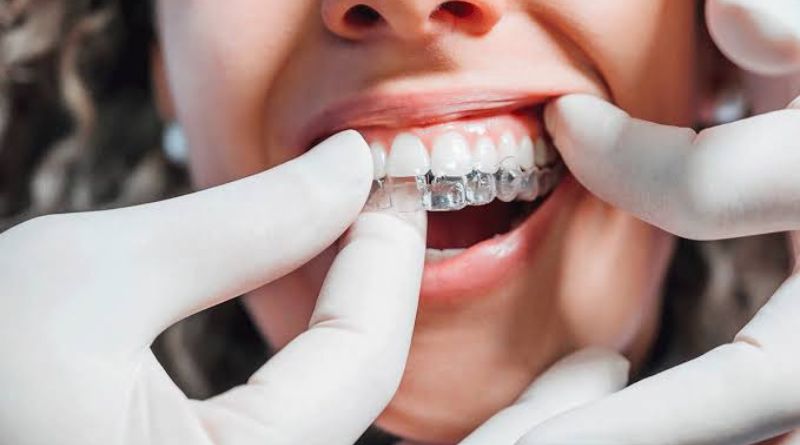
The number you see quoted online for Invisalign rarely matches what you’ll actually pay, and that gap is exactly what makes this so confusing. Orthodontic offices often quote a range instead of a flat price, insurance plans cover orthodontics differently than regular dental work, and most people don’t find out their real out-of-pocket cost until after a consultation and a benefits check.
This guide breaks down what Invisalign actually costs with insurance, how dental plans typically structure orthodontic coverage, what factors push your price up or down, and the practical steps to get the most accurate number for your specific situation before you commit to treatment.
What Invisalign Costs With Insurance, on Average
Most people with dental insurance that includes orthodontic coverage end up paying somewhere between $2,000 and $5,000 out of pocket for Invisalign, after insurance contributes its portion. Without any insurance, the total treatment cost typically runs $3,000 to $8,000, depending on case complexity and location.
Here’s why the range is so wide: insurance for orthodontics almost never works like insurance for a filling or cleaning. Most plans that cover orthodontics apply a lifetime maximum benefit, commonly between $1,000 and $3,000, rather than covering a percentage of the total cost the way they might for a crown or root canal. That lifetime max applies once per covered person, regardless of how long treatment takes or how much it costs in total.
So if your plan has a $1,500 lifetime orthodontic maximum and your Invisalign treatment costs $5,000, your insurance contributes $1,500 total, and you’re responsible for the remaining $3,500 — usually spread across payments during treatment rather than paid all at once.
How Dental Insurance Actually Covers Orthodontic Treatment
Understanding the structure of your coverage matters more than knowing the headline “covered” or “not covered” answer, because the details determine your real cost.
Lifetime Maximums, Not Percentages
Unlike general dental coverage, which often reimburses 50% to 80% of a procedure’s cost, orthodontic coverage is typically a flat lifetime dollar amount. This means a plan advertising “50% orthodontic coverage” is usually describing 50% up to the lifetime max, not 50% of whatever your treatment ends up costing.
Waiting Periods
Many dental plans impose a waiting period, often 6 to 12 months, before orthodontic benefits become available at all. If you just enrolled in a new plan specifically hoping to use it for Invisalign, this is the first thing worth checking, since starting treatment during a waiting period can mean receiving no orthodontic benefit whatsoever.
Age Restrictions
Some employer-sponsored plans only cover orthodontic treatment for dependents under 18 or 19, excluding adult orthodontic coverage entirely. This has become less common as adult Invisalign use has grown, but it’s still worth confirming directly rather than assuming coverage applies.
In-Network vs. Out-of-Network Providers
Choosing an in-network orthodontist can meaningfully lower your cost, since these providers have negotiated rates with your insurer. Out-of-network treatment is often still covered, but usually at a reduced benefit level and sometimes with additional paperwork required to submit claims yourself.
What Actually Determines Your Invisalign Price
Even before insurance enters the picture, several factors influence what an orthodontist quotes you, which is why two people can pay very different amounts for what sounds like the same treatment.
Case complexity. Minor crowding or spacing issues, sometimes marketed as “Invisalign Express” or “Invisalign Lite,” typically cost less because they require fewer aligner trays and a shorter treatment timeline. More complex bite issues, significant crowding, or cases requiring attachments and additional appliances cost more because they require more trays and closer monitoring.
Geographic location. Orthodontic pricing varies meaningfully by region and even by neighborhood within the same city, largely reflecting differences in office overhead and local market rates.
Provider type. General dentists offering Invisalign sometimes price treatment differently than orthodontic specialists, though specialists typically have more experience with complex cases, which can matter for treatment outcomes even if the sticker price is higher.
Treatment length. Shorter treatment plans generally cost less than multi-year plans, simply because fewer aligner sets and fewer in-office check-ins are required.
Retainers and follow-up care. Ask specifically whether retainers are included in the quoted price. This is one of the most common places where people are surprised by an additional cost after treatment technically “ends.”
How to Get an Accurate Out-of-Pocket Estimate
Call your insurance provider before your consultation, and ask three specific questions: whether your plan includes an orthodontic benefit separate from general dental coverage, what your lifetime orthodontic maximum is, and whether a waiting period applies. Having this information before you walk into a consultation lets the office give you a genuinely accurate estimate rather than a generic range.
Ask the orthodontist’s office to run a benefits check. Most offices will do this for you once you provide your insurance information, and it’s typically more accurate than what you can determine from a phone call to the insurer alone, since the office can factor in the specific treatment plan they’re proposing.
Request an itemized treatment plan, not just a total price. This should include the number of aligner trays, any attachments needed, retainer costs, and what happens if treatment needs adjustment mid-course. Some plans include unlimited refinements at no extra cost; others charge for additional trays beyond the original estimate.
Ask about payment plan structure separately from insurance. Many orthodontic offices offer interest-free in-house payment plans that spread your out-of-pocket portion over the length of treatment, which can make a $3,000 remainder far more manageable than a single upfront payment.
Other Ways to Lower Your Invisalign Cost
FSA and HSA funds can typically be used for Invisalign, since it’s classified as a qualified medical expense. Using pre-tax dollars from either account effectively reduces your cost by whatever your marginal tax rate would have been on that money.
Dental discount plans, which function differently from insurance, sometimes offer a flat percentage off orthodontic treatment at participating providers in exchange for an annual membership fee. These can be worth considering if you don’t have orthodontic insurance coverage at all.
Employer dental plan timing. If you’re choosing between employer dental plans during open enrollment and know Invisalign is coming, it’s worth comparing lifetime orthodontic maximums and waiting periods across plan options rather than defaulting to the cheapest monthly premium.
Multiple consultations. Pricing does vary between practices for comparable treatment plans, and a second consultation costs nothing in most cases. This is particularly worth doing if your case is on the more complex end, since treatment approach — and therefore cost — can differ between providers.
Common Questions People Have Before Committing to Treatment
Is Invisalign worth the cost compared to traditional braces? For many adults, the appeal isn’t just cost but the removable, less visible design, which matters for work and social situations. Traditional braces are often somewhat less expensive for complex cases, but Invisalign has closed much of that price gap for mild to moderate cases in recent years.
Does insurance cover Invisalign the same way it covers braces? Generally, yes. Most insurance plans that include orthodontic benefits treat Invisalign and traditional braces identically for coverage purposes, since both are classified as orthodontic treatment rather than being priced separately by method.
What happens if I switch insurance plans mid-treatment? This can complicate things, particularly if your new plan has a waiting period or a different lifetime maximum. It’s worth discussing this with both your current and prospective insurer before making a switch during active treatment.
Frequently Asked Questions
How much is Invisalign with insurance on average? Most people pay between $2,000 and $5,000 out of pocket after insurance, depending on their plan’s lifetime orthodontic maximum and their case complexity. Insurance typically contributes a flat dollar amount rather than a percentage of the total cost.
Does dental insurance cover Invisalign the same as regular braces? Yes, in most cases. Dental plans that include orthodontic coverage generally apply the same lifetime maximum and terms to Invisalign as they would to traditional metal braces, since both fall under the same orthodontic benefit category.
Is there a waiting period before insurance covers Invisalign? Many plans impose a waiting period, often six to twelve months, before orthodontic benefits activate. This is worth confirming with your insurer before scheduling a consultation if you’re hoping to use benefits soon after enrolling.
Can I use FSA or HSA money for Invisalign? Yes. Invisalign is considered a qualified medical expense, so funds from either a flexible spending account or health savings account can typically be applied toward your out-of-pocket cost.
Why did my insurance only cover a small portion of my Invisalign cost? This usually comes down to your plan’s lifetime orthodontic maximum, which is a flat dollar cap rather than a percentage of your total treatment cost. Even plans advertising generous orthodontic coverage often cap the actual dollar contribution well below the full price of treatment.
Key Takeaways
The real cost of Invisalign with insurance depends far more on your plan’s lifetime orthodontic maximum than on any percentage figure advertised in your benefits summary. Getting an accurate number means checking your specific coverage details before your consultation, requesting an itemized treatment plan from your provider, and asking directly about payment plan options for whatever your insurance doesn’t cover.
For related reading, you may also want to check out our guides on Invisalign versus traditional braces and how to choose the right orthodontist for your treatment plan. A benefits check and consultation cost nothing and will give you a far more accurate number than any general estimate can.