Staring at Your Insurance Card, Not Sure Which Number Is Which
You are on the phone with a doctor’s office, a mechanic, or a pharmacy, and they ask for your policy number. You flip your insurance card over, and there are five different number sequences staring back at you — member ID, group number, RX BIN, policy number — and none of them are clearly labeled the way you would expect.
This happens constantly, and it is not because you are missing something obvious. Insurance cards are genuinely inconsistent across companies and coverage types, and the policy number is not always called exactly that. This guide shows you exactly where to look depending on your type of insurance, how to tell it apart from similar-looking numbers, and what to do if you cannot find it at all.
What a Policy Number Actually Is
A policy number is the unique identifier your insurance company uses to reference your specific contract or coverage agreement. It is essentially the account number tied to your policy, and insurers, providers, and repair shops use it to pull up your coverage details, verify active status, and process claims correctly.
It is important to understand that a policy number is not always the same thing as a member ID, though on some cards they are identical or used interchangeably. The distinction matters more on certain types of insurance than others, which is exactly why the location and labeling varies so much from one card to the next.
Where to Find the Policy Number on a Health Insurance Card
Front of the Card
On most health insurance cards, the policy number appears on the front, though it is frequently labeled as “Member ID” or “Subscriber ID” rather than “Policy Number” outright. For many major insurers, this member ID functions as your policy number for the purposes of verifying coverage and filing claims.
Common Labels to Look For
Depending on your insurer, look for any of the following labels, since they often serve the same practical function as a policy number:
- Member ID
- Subscriber ID
- ID Number
- Policy Number (less common, but used by some insurers directly)
Don’t Confuse It With the Group Number
Many health insurance cards also display a Group Number, usually located near the member ID. The group number identifies your employer’s or organization’s specific benefits plan, while the member ID or policy number identifies you individually within that plan. Providers typically need both numbers when verifying your coverage, so it is worth having the whole card on hand rather than just one number.
Where to Find the Policy Number on an Auto Insurance Card
Standard Card Layout
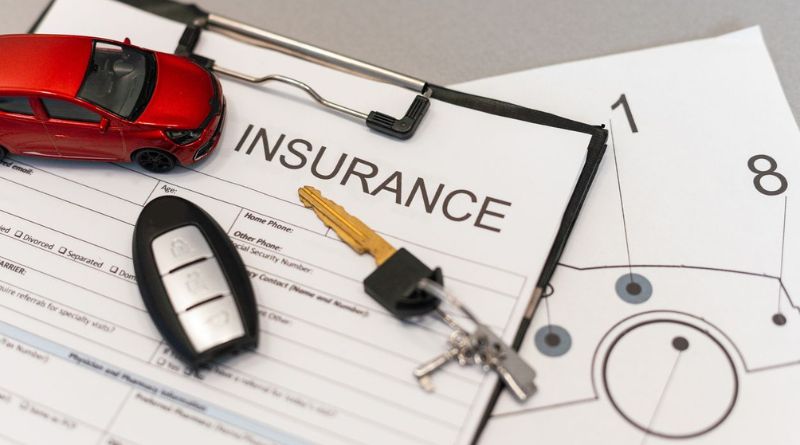
Auto insurance cards tend to be more consistent than health insurance cards in how they label the policy number, though the exact placement still varies by insurer. In most cases, you will find a field explicitly labeled “Policy Number” printed directly on the card, often in the upper or middle portion alongside the named insured and vehicle details.
What Else Appears on the Card
Your auto insurance card typically also includes the effective and expiration dates of coverage, your vehicle’s make, model, and VIN, and your insurer’s contact information. The policy number is the field that stays consistent for the life of your policy, even as your card is reissued at each renewal, which makes it the most reliable identifier to reference if you need to call your insurer for any reason.
Where to Find the Policy Number on a Homeowners or Renters Insurance Card
Homeowners and renters insurance typically does not come with a physical wallet card the way health and auto insurance do, since you generally are not required to show proof of coverage on the spot the way you would after a car accident. Instead, your policy number appears on your declarations page, which is the summary document your insurer sends when your policy is issued or renewed.
On a declarations page, the policy number is usually displayed prominently near the top, often labeled clearly as “Policy Number” alongside your name, property address, and coverage effective dates. If you need quick access to this number, it is worth saving a digital copy of your declarations page or checking your insurer’s mobile app, since most major homeowners and renters insurers now make this available through an online account.
(Related guide opportunity: link to a guide explaining what a declarations page is and how to read it here)
What If You Cannot Find Your Policy Number?
Check Your Insurer’s App or Online Portal
Most insurers today offer a mobile app or online account portal where your policy number is displayed clearly under your account or coverage summary section. This is often the fastest way to retrieve it, particularly if your physical card is lost, outdated, or simply hard to read.
Check Your Welcome Packet or Renewal Documents
When you first purchase a policy, or each time it renews, your insurer typically sends a welcome letter or renewal notice that includes your policy number prominently. These documents are often emailed as well, so checking your inbox for your insurer’s name can sometimes turn up the number faster than digging through paperwork.
Call Your Insurer Directly
If you genuinely cannot locate your policy number anywhere, calling your insurer’s customer service line is the most reliable fallback. Be ready to verify your identity with your name, date of birth, and address, since they will need to confirm you are the policyholder before sharing account details over the phone.
Ask Your Employer’s HR Department
For health insurance provided through an employer, your HR or benefits department typically has access to your policy or member ID on file and can usually provide it quickly if you have misplaced your card and have not yet set up online access with the insurer.
Why Your Policy Number Matters
For Filing Claims
Whether you are filing a health insurance claim, reporting a car accident, or submitting a homeowners insurance claim after storm damage, your policy number is the first piece of information any claims representative will ask for. Having it readily accessible can meaningfully speed up the process, particularly in stressful situations like accidents or emergencies.
For Verifying Coverage
Doctors’ offices, pharmacies, auto repair shops, and contractors working on insurance-related home repairs all use your policy number to confirm your coverage is active before providing service. Without it, these processes can be delayed while the provider works with you to track down the correct information another way.
For Renewals and Policy Changes
If you need to make a change to your policy, add a driver, update your address, or ask about a billing issue, your policy number allows the insurer’s representative to pull up your exact account quickly rather than searching by name alone, which can be slower and occasionally ambiguous if your insurer has multiple customers with similar names.
FAQ — Common Questions About Policy Numbers on Insurance Cards
Is the policy number the same as the member ID on a health insurance card?
In many cases, yes — for a large number of health insurers, the member ID printed on your card functions as your policy number for claims and verification purposes. However, this is not universal across every insurer, so if you are ever unsure, your insurer’s customer service line or online portal can confirm exactly which number serves as your policy number.
Where is the policy number located on a car insurance card?
The policy number on a car insurance card is typically printed directly on the card with a clear label reading “Policy Number,” usually located near your name and vehicle information. It remains the same across renewals, even though your physical card is reissued periodically with updated effective dates.
Do I need my policy number to file an insurance claim?
While most insurers can eventually locate your account using your name, date of birth, and address, having your policy number ready significantly speeds up the claims process and reduces the chance of delays or confusion, especially during high-stress situations like accidents or property damage.
What if my insurance card does not have a policy number printed on it?
If your card does not clearly show a policy number, check for alternate labels like “Member ID” or “Subscriber ID,” which often serve the same function. If nothing on the card matches, your insurer’s mobile app, online account portal, or customer service line can confirm the correct number to use.
Can I find my policy number without my insurance card?
Yes. Your policy number is typically available through your insurer’s mobile app or online account portal, on your welcome packet or renewal documents, or by calling your insurer’s customer service line directly and verifying your identity.
Final Thoughts
Finding your policy number does not have to involve guessing between the five different numbers printed on your insurance card. Health insurance cards typically use “Member ID” or “Subscriber ID” in place of the term policy number, auto insurance cards usually label it directly and consistently, and homeowners or renters policies keep this number on your declarations page rather than a physical card.
If you are ever unsure which number applies, your insurer’s mobile app or online account portal is almost always the fastest, most reliable way to confirm it. For a deeper look at understanding everything else printed on your insurance documents, our related guide on how to read your insurance declarations page is a useful next step.